Menu


Get Started
Personalized
GLP-1
Treatments
GLP-1
Treatments
From $119 first month*
*First month discount on 3-month plan.

GLP-1–based therapies, including medications containing semaglutide and tirzepatide, are designed to be titrated gradually. This stepwise approach allows the body to adjust to appetite, gastrointestinal, and metabolic changes while minimizing side effects.
Determining when to increase a GLP-1 dose is not always straightforward. Some individuals are ready after the standard four-week interval, while others benefit from remaining at the same dose longer. Increasing too quickly can worsen side effects, while waiting too long may lead to reduced appetite control or stalled progress.
This article provides an educational overview of how GLP-1 titration works, clinical signs that may suggest readiness for a dose increase, situations where remaining at the current dose may be appropriate, and what to expect during and after a dose adjustment. All medication decisions should be made in consultation with a licensed healthcare provider.
GLP-1 medications are intentionally started at low doses and increased gradually. Early doses allow the gastrointestinal system to adapt to slower gastric emptying and central appetite regulation. As tolerance develops, higher doses may provide more sustained appetite suppression and metabolic effects.
Typical titration schedules are guidelines rather than strict rules. Providers individualize timing based on tolerance, side effects, weight-loss trends, and overall health status. Slower titration is often associated with better long-term adherence and fewer discontinuations.
Importantly, moving up faster does not produce faster or better outcomes and may increase the risk of nausea, vomiting, dehydration, or treatment interruption.
Several clinical patterns may indicate readiness for a dose increase:
Diminished appetite suppression.
If hunger, cravings, or portion sizes gradually return after initially responding well to a dose, this may suggest that the body has adapted and the current dose is no longer providing consistent appetite regulation.
Weight-loss plateau with stable habits.
A temporary plateau is common with any weight-loss approach. However, if weight has remained unchanged for several weeks despite consistent nutrition and activity, a provider may consider whether dose escalation is appropriate.
Resolution of early side effects.
Nausea, fatigue, or digestive discomfort often improve over time. When side effects have become minimal or resolved, many individuals are better positioned to tolerate a higher dose.
Shortened duration of effect.
Some individuals notice strong appetite control for the first few days after injection, followed by a noticeable return of hunger before the next dose. This pattern may indicate that the current dose does not provide full-week coverage.
Providers also consider how long a patient has been at a given dose. Remaining at each dose for at least four weeks allows sufficient time to evaluate response and tolerability.
Not everyone should increase on a fixed schedule. Situations where remaining at the current dose may be appropriate include:
The goal of GLP-1 therapy is not to reach the highest dose, but to identify the lowest effective dose that supports sustainable results with acceptable tolerability.
Simple preparation strategies may help reduce side effects during a dose transition. Providers often recommend prioritizing hydration, choosing lighter and more easily digested meals for several days after the increase, and avoiding heavy or greasy foods initially.
Allowing flexibility in scheduling during the first few days after a dose increase may also help, as transient fatigue or nausea can occur. Monitoring symptoms and communicating changes to a provider supports individualized adjustments if needed.
Side effects, if they occur, often peak within the first few days after an increased dose and gradually improve over the following week. Appetite suppression may feel stronger initially and then stabilize as the body adapts.
Temporary changes in energy levels or digestion are common and typically resolve. Persistent or severe symptoms—such as repeated vomiting, inability to maintain hydration, or significant abdominal pain—should be evaluated promptly by a healthcare provider.
Over time, some individuals experience dose tolerance, where appetite control weakens after an initial response. This does not mean the medication has failed. Providers evaluate whether another dose increase, additional time at the current dose, or lifestyle factors may be contributing.
Many individuals eventually reach a dose that provides consistent appetite regulation without needing further escalation. This effective dose may be maintained long-term under medical supervision.
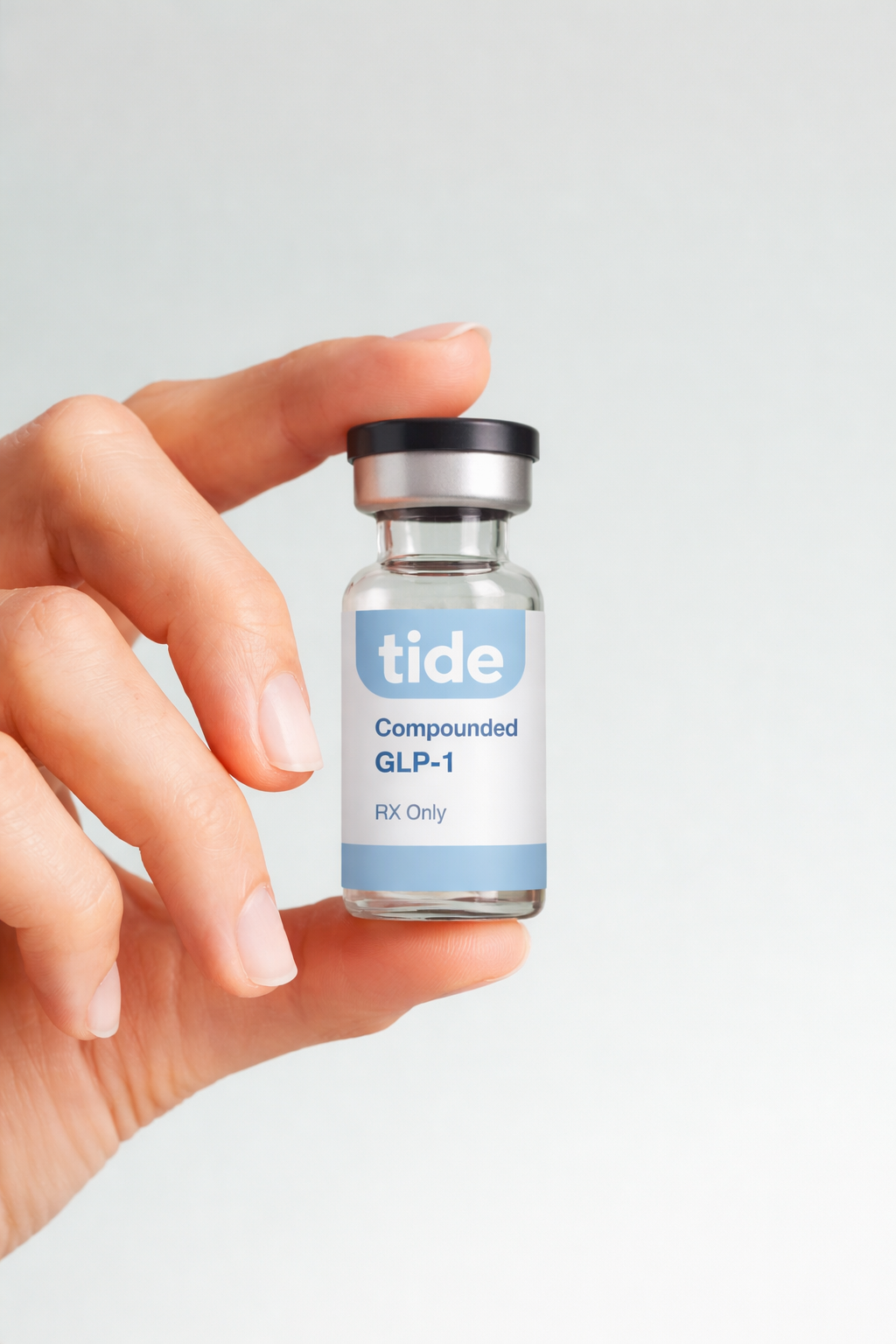
Both compounded and commercially available GLP-1 medications follow the same titration principles: gradual increases, individualized timing, and close monitoring. Some compounded formulations allow smaller dose increments, which may benefit individuals who are particularly sensitive to changes.
Regardless of formulation, compounded medications are not FDA-approved and should only be prescribed when a licensed provider determines they are appropriate for an identified patient.
GLP-1 dose titration is a personalized process guided by tolerance, appetite response, and overall health—not a race to higher doses. Thoughtful escalation under licensed medical supervision supports safety, comfort, and sustainable long-term outcomes.
Davies, M., Færch, L., Jeppesen, O. K., et al. (2021). Semaglutide 2.4 mg once a week in adults with overweight or obesity, and type 2 diabetes (STEP 2): A randomised, double-blind, double-dummy, placebo-controlled, phase 3 trial. Lancet, 397(10278), 971–984. https://doi.org/10.1016/S0140-6736(21)00213-0
Garvey, W. T., Batterham, R. L., Bhatta, M., et al. (2022). Two-year effects of semaglutide in adults with overweight or obesity: The STEP 5 trial. Nature Medicine, 28(10), 2083–2091. https://doi.org/10.1038/s41591-022-02026-4
Jastreboff, A. M., Aronne, L. J., Ahmad, N. N., et al. (2022). Tirzepatide once weekly for the treatment of obesity. New England Journal of Medicine, 387(3), 205–216. https://doi.org/10.1056/NEJMoa2206038
Kushner, R. F., Calanna, S., Davies, M., et al. (2020). Semaglutide 2.4 mg for the treatment of obesity: Key elements of the STEP trials 1 to 5. Obesity, 28(6), 1050–1061. https://doi.org/10.1002/oby.22794
Lingvay, I., Catarig, A. M., Frias, J. P., et al. (2020). Efficacy and safety of once-weekly semaglutide versus daily canagliflozin as add-on to metformin in patients with type 2 diabetes (SUSTAIN 8): A double-blind, phase 3b, randomised controlled trial. Lancet Diabetes & Endocrinology, 7(11), 834–844. https://doi.org/10.1016/S2213-8587(19)30311-0
Rubino, D., Abrahamsson, N., Davies, M., et al. (2021). Effect of continued weekly subcutaneous semaglutide vs placebo on weight loss maintenance in adults with overweight or obesity: The STEP 4 randomized clinical trial. JAMA, 325(14), 1414–1425. https://doi.org/10.1001/jama.2021.3224
Wilding, J. P. H., Batterham, R. L., Calanna, S., et al. (2021). Once-weekly semaglutide in adults with overweight or obesity. New England Journal of Medicine, 384(11), 989–1002. https://doi.org/10.1056/NEJMoa2032183