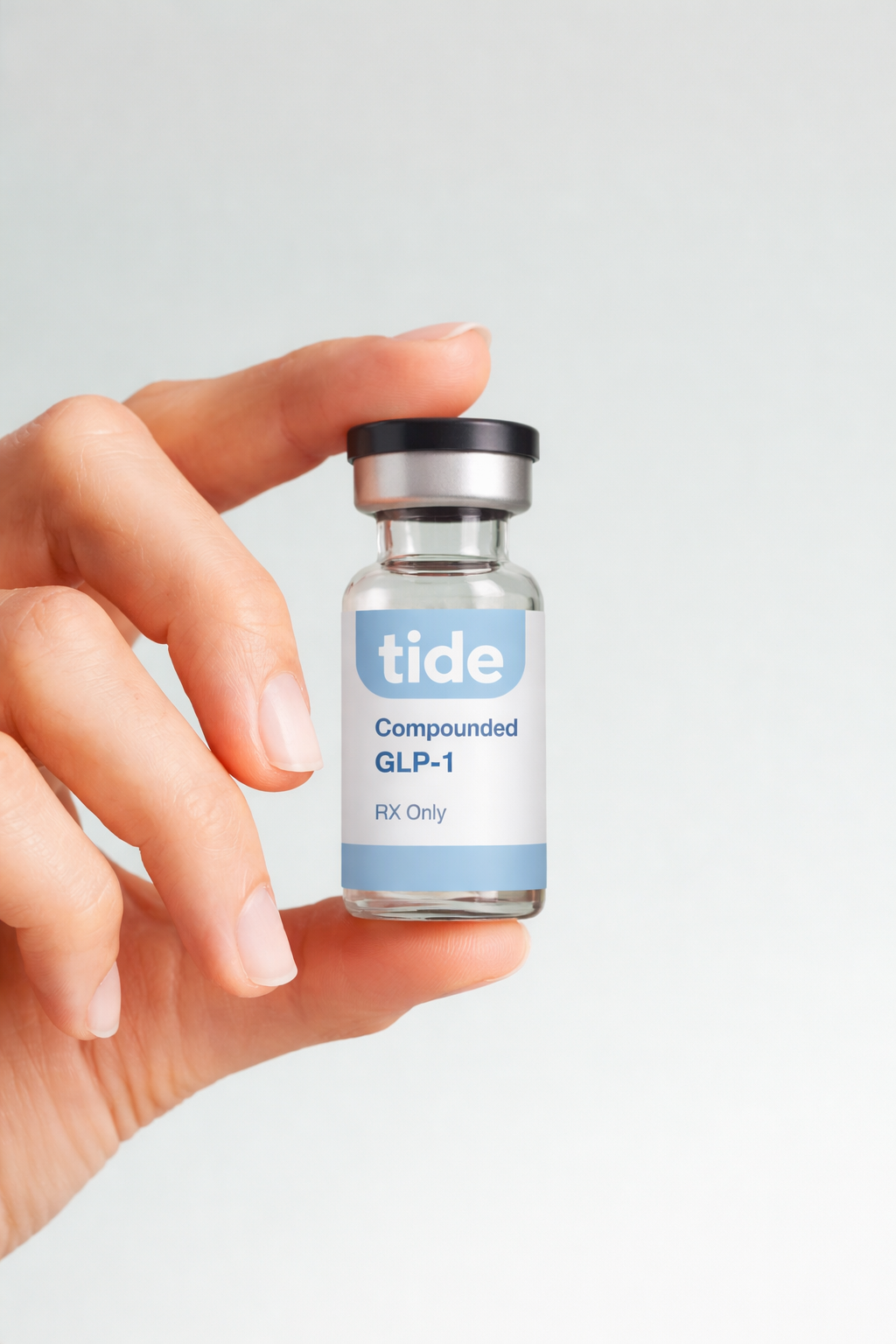
GLP-1–based therapies are advancing quickly, but today’s coverage, cost, and supply barriers remain real—while research, new formulations, and expanding evidence may gradually improve access and outcomes over time.
Introductory Overview
GLP-1–based therapies (including medications containing semaglutide and tirzepatide) have changed the way clinicians approach weight management and metabolic risk. At the same time, many patients still face real barriers: coverage limitations, high out-of-pocket costs, uneven access to clinicians, supply constraints, and persistent stigma.
Two statements can be true at once: the current landscape can be frustrating and inequitable, and the trajectory of science, indications, delivery methods, and access pathways is moving forward. This article summarizes common challenges patients report today and outlines why many experts expect the next several years to bring meaningful changes—while noting that outcomes, timelines, and policies vary and cannot be guaranteed.
The Current Reality: Why So Many Patients Still Struggle
Even with increasing public awareness, access to GLP-1–based therapies remains inconsistent. Common barriers include:
- Coverage limits and exclusions: Some public and private plans restrict coverage for weight-management indications or require extensive prior authorization steps (criteria may include specific diagnoses, prior attempts, comorbidities, or documentation).
- High out-of-pocket costs even with coverage: “Covered” may still mean significant monthly costs, depending on deductibles, copays, formularies, and assistance program eligibility.
- Pharmacy and distribution friction: Availability can vary by region, pharmacy network, and dose strength—especially during periods of heightened demand.
- Capacity constraints in care delivery: Many communities face shortages in primary care and specialty services, which can delay evaluation, follow-up, titration, and side-effect support.
- Stigma and misinformation: Patients may encounter judgment about obesity as a medical condition and about pharmacotherapy as a legitimate treatment option.
Key context: Obesity is associated with increased cardiometabolic risk and higher healthcare utilization for many individuals, but it is also complex—shaped by biology, environment, social factors, sleep, mental health, medications, and more. That complexity contributes to both clinical need and system-level strain.
Zooming Out: Why “Today Might Be the Hardest Version” of This Era
Healthcare improvements are rarely instant. But several trends suggest that the GLP-1 landscape is evolving in ways that may reduce friction over time:
- Therapy evolution: newer agents and combinations continue to be studied for efficacy and tolerability.
- Indication expansion: some therapies have gained additional labels beyond glycemic control, and multiple cardiometabolic indications are under active research.
- Better usability: delivery methods and dosing frequency options continue to develop (including research into less frequent injections and oral candidates).
- Market pressure: competition and negotiated pricing dynamics may influence net costs over time, though exact timelines are uncertain.
- Policy discussion: coverage frameworks and legislation are debated and may shift depending on regulators, budgets, and clinical evidence.
None of these guarantee improved affordability or access for any specific patient. But they help explain why many clinicians and health systems view the current moment as a transition phase rather than an endpoint.
1) Effectiveness and Expectations: What “Better Over Time” Can Mean
Early generations of incretin-based therapies produced more modest average weight loss in trials. More recent FDA-approved options for chronic weight management have shown larger average reductions in clinical studies when paired with lifestyle intervention. Importantly:
- Trial results are population averages, not promises.
- Real-world outcomes vary based on dose tolerance, adherence, access to follow-up, nutrition quality, activity, sleep, and underlying metabolic health.
- The goal is often long-term risk reduction and sustainability, not rapid short-term changes.
As research continues, future therapies may aim to improve not only average weight loss but also durability, tolerability, and body-composition preservation—areas that are already active topics in clinical practice.
2) Indications Are Broadening—But Evidence Still Drives Labels
GLP-1–based therapies were first used for glycemic management in type 2 diabetes. Over time, certain products received additional approvals for chronic weight management, and some have gained cardiovascular risk-reduction indications in specific populations. Ongoing research is exploring potential roles in additional conditions that intersect with metabolic health.
A practical way to think about this: as high-quality trial data expands, labels and coverage rationales may also expand—though the pace depends on regulators, payers, and the strength of evidence.
Important: “Under study” does not mean “proven” or “approved.” Patients should discuss any off-label considerations with a licensed clinician.
3) Convenience Matters: Dosing Frequency and Form Factor
Why frequency can affect persistence
For many chronic conditions, simpler regimens can support better long-term adherence. GLP-1–based therapies have already moved from more frequent dosing in earlier products to weekly dosing in several modern agents. Research continues into:
- Longer-acting injectable options (less frequent dosing)
- Oral candidates designed to improve bioavailability and practicality
Orals: promising, but technically challenging
Oral incretin therapies are an area of major investment, but they must overcome hurdles like absorption, stability in the digestive tract, and consistency of clinical effect. Some oral candidates have reported encouraging results in trials, but availability, labeling, and comparative outcomes depend on ongoing and future data.
For patients, more delivery options may eventually mean better fit for individual preferences, comorbidities, and logistics (e.g., travel, storage).
4) Coverage and Access: Why Change Tends to Be Incremental
Coverage for obesity treatment has historically lagged behind coverage for conditions like diabetes, hypertension, or cardiovascular disease. But several forces can influence payer behavior over time:
- Label expansions into conditions payers already cover (e.g., cardiovascular outcomes in defined groups)
- Employer pressure and workforce retention dynamics
- Stronger real-world outcomes data (utilization, complications, total cost of care)
- Legislative changes that modify what public programs can cover
Still, coverage is highly variable. Patients may see major differences by state, plan, employer, and year.
5) Cost and Competition: What Could Shift Prices
GLP-1–based therapies are expensive at list price, and net pricing is shaped by rebates, PBMs, payers, and assistance programs. Several factors may influence cost trends over time:
- More competing products (including next-generation molecules and combinations)
- New manufacturing capacity and process efficiency
- Different delivery systems (which may change distribution costs)
- Patent expirations and follow-on competition (timelines vary by molecule and jurisdiction)
It’s realistic to expect continued downward pressure over the long run—while also acknowledging that short-term pricing can remain high in periods of high demand or limited supply.
6) Supply and Capacity: Why Shortages Happen
Supply constraints can stem from multiple bottlenecks, including:
- API manufacturing capacity (active ingredient scale-up takes time)
- Fill-finish and device production capacity (particularly for auto-injectors)
- Cold-chain distribution and forecasting challenges
- Demand growth outpacing planned capacity
Healthcare history shows that when demand is strong and incentives are large, capacity often expands—but not overnight. Patients may still experience intermittent disruptions depending on geography and dose strength.
What Patients Can Do Now: Practical, Provider-Guided Discussion Points
If you’re considering GLP-1–based therapy or already using it, these topics often help guide safer, more sustainable care:
- Coverage navigation: ask what documentation is needed, what alternatives exist, and whether appeals are possible.
- Dose titration pacing: faster increases don’t always mean better results; tolerability often improves with individualized pacing.
- Side-effect planning: discuss nausea, constipation, reflux, and hydration strategies; report severe or persistent symptoms promptly.
- Body composition strategy: prioritize protein adequacy and resistance training where appropriate to support lean mass.
- Long-term plan: discuss maintenance expectations, follow-up intervals, and what “success” means beyond scale weight (labs, BP, waist, energy, cravings).
These are general education points—not individualized medical advice.
Summary
The GLP-1 era is already reshaping obesity medicine, but many people still face frustrating barriers today. At the same time, the direction of travel—stronger evidence, more therapeutic options, more delivery methods, expanding indications, and ongoing policy debate—suggests the experience of accessing and using these therapies may improve over time. Progress is rarely linear, but the trajectory is active.
Disclaimer: The FDA does not approve compounded medications for safety, quality, or manufacturing. Prescriptions and a medical evaluation are required for certain products. The information provided in this article is for general informational purposes only. It is not intended as a substitute for professional advice from a qualified healthcare professional and should not be relied upon as personal health advice. The information contained in this article is not meant to diagnose, treat, cure, or prevent any disease. Readers are advised to consult with a qualified healthcare professional for any medical concerns, including side effects. Use of this information is at your own risk. The blog owner is not responsible for any adverse effects or consequences resulting from the use of any information provided.
TideMD is not a medical provider. TideMD connects individuals with independent licensed healthcare providers who independently evaluate each patient to determine whether a prescription treatment program is appropriate. All prescriptions are written at the sole discretion of the licensed provider. Medications are filled by state-licensed pharmacies. Please consult a licensed healthcare provider before making any medical decisions.