Menu


Get Started
Personalized
GLP-1
Treatments
GLP-1
Treatments
From $119 first month*
*First month discount on 3-month plan.

As interest in glucagon-like peptide-1 (GLP-1)–based medications continues to grow, many individuals encounter online discussions and reviews related to compounded semaglutide. These accounts often highlight personal experiences, cost considerations, or concerns about safety and quality. However, online reviews can be difficult to interpret without appropriate clinical context.
This article provides an educational overview of compounded semaglutide, with a focus on safety considerations, pharmacy quality standards, common warning signs, and factors individuals may wish to discuss with a licensed healthcare provider. The goal is to support informed decision-making, not to provide medical advice or treatment recommendations.
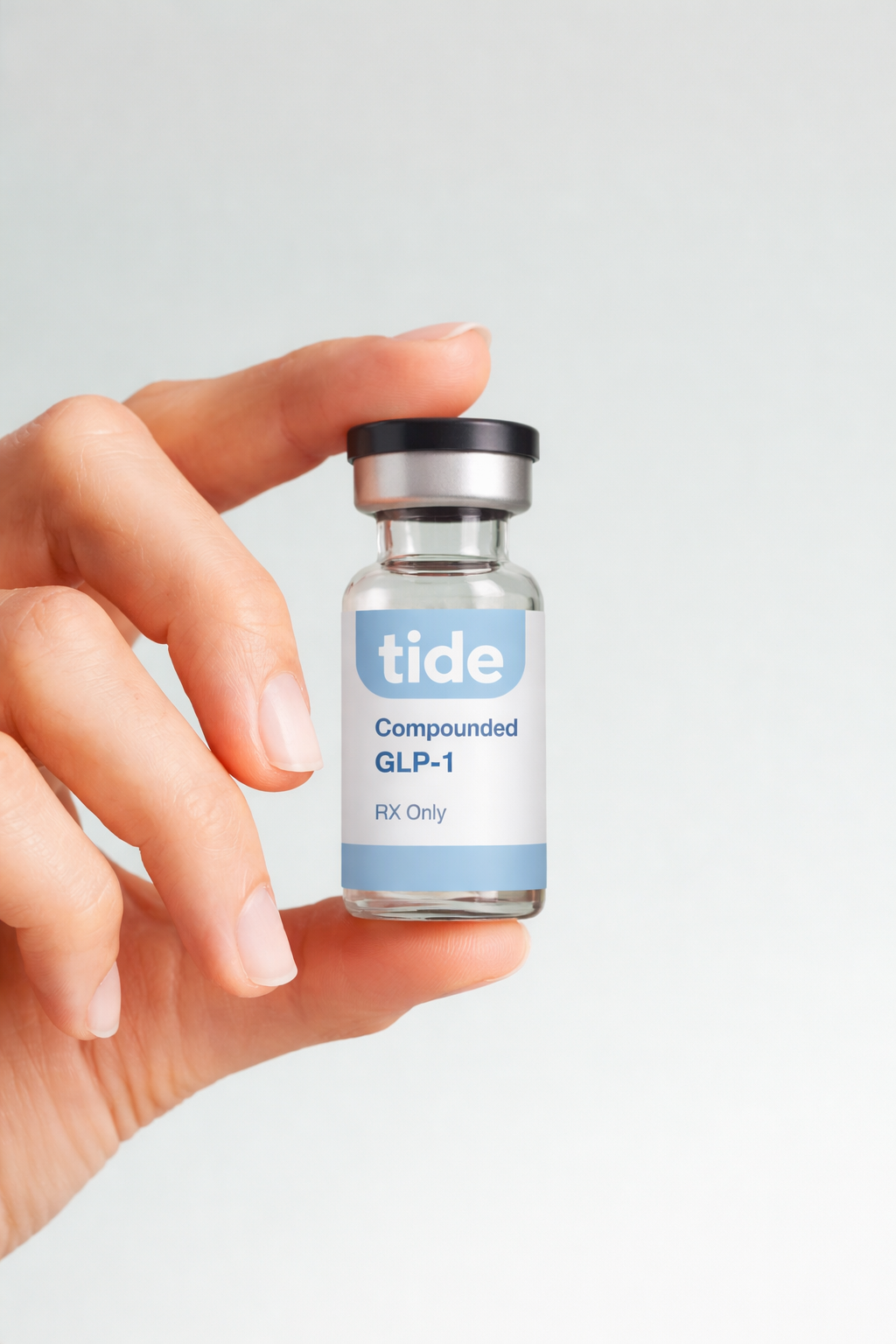
Compounded semaglutide refers to a medication prepared by a licensed compounding pharmacy based on an individualized prescription. Compounding may be considered when a licensed healthcare provider determines that an FDA-approved medication does not meet the specific clinical needs of an identified patient.
Unlike FDA-approved semaglutide products, compounded versions are not reviewed by the FDA for safety, efficacy, or manufacturing quality. Because of this, compounded medications may differ in formulation, concentration, or consistency depending on the pharmacy and compounding practices used.
For these reasons, decisions involving compounded semaglutide should always involve consultation with a licensed healthcare provider who can assess whether compounding is clinically appropriate for a specific individual.
FDA-approved semaglutide medications can be costly for individuals without insurance coverage or with limited pharmacy benefits. In some situations, compounded semaglutide may appear less expensive on an out-of-pocket basis.
However, cost differences can reflect variability in pharmacy practices, dosing, formulation, and the level of clinical support included. Lower pricing alone should not be interpreted as a marker of quality or safety. Clinical appropriateness and pharmacy standards remain central considerations.
Online “before and after” accounts related to compounded semaglutide are anecdotal and should not be interpreted as typical results or clinical evidence. Individual responses to GLP-1–based therapy vary significantly and are influenced by numerous factors, including:
In clinical practice, medications containing semaglutide are typically prescribed alongside broader lifestyle and behavioral support. A licensed healthcare provider is best positioned to determine whether treatment is appropriate and how outcomes should be evaluated.
Compounded semaglutide carries risks that differ from those associated with FDA-approved formulations. Potential considerations include:
Not all compounding pharmacies operate under the same standards, which makes pharmacy selection and provider oversight especially important.
Certain practices may indicate increased risk and warrant caution:
A reputable provider and pharmacy should be willing to answer questions, explain risks, and outline appropriate monitoring.
When compounded medications are discussed, several factors may help support safer decision-making:
Compounding pharmacies should be properly licensed in their state of operation. Some pursue voluntary accreditation through organizations such as the Pharmacy Compounding Accreditation Board (PCAB), which establishes additional quality and safety standards beyond baseline requirements.
Compounded medications should only be prescribed following a clinical evaluation by a licensed healthcare provider. This evaluation typically includes review of medical history, current medications, and treatment goals, along with plans for follow-up care.
While not required, access to clinical support, education, and monitoring may help identify side effects early and support appropriate dose adjustments when clinically indicated.
Compounded semaglutide reviews often reflect a wide range of personal experiences, but they do not replace clinical evidence or individualized medical guidance. Compounded medications are not FDA-approved and should only be considered when a licensed prescriber determines a clinically significant difference for an identified patient.
Individuals exploring compounded semaglutide are encouraged to ask detailed questions about pharmacy practices, safety standards, and follow-up care, and to work closely with a licensed healthcare provider who can evaluate whether this option is appropriate for their specific situation.